Translated by OpenAI
This year, Capcom really went all out, first releasing Resident Evil 9, then Pragmata after delay after delay. As soon as Resident Evil 9 came out, I immediately started playing the Resident Evil 4 remake that I had bought but never touched—Resident Evil 9 can wait for a sale.
But after playing the Pragmata demo, I was blown away by the combat mechanics—definitely not a lolicon—hehe, raising a daughter.
The following contains spoilers
Combat
Pragmata debuts a mind-bending combat mechanic of left-brain/right-brain split. As a pseudo-TPS (actually an action game), the left brain handles aiming and shooting of the TPS system, while the right brain manages the hacking system. To balance the two, enemies generally must first be hacked (a mini-game like guiding a cursor through a maze), then target weak points and deal damage. To ease the player’s multitasking, guns have no reloading concept, and the game provides a variety of special weapons for crowd control.
Moreover, the hacking system has various upgrade mechanics; later on, you can even go for a build that relies entirely on hacking for damage. Subsystems like executions, ultimates, and auto-hacking also refine the combat experience in the late game. The combat system is actually very innovative and fun. You can always trust Capcom when it comes to the feel of action games. If you haven’t tried it, I highly recommend playing the free demo.
However, the thrill of combat doesn’t last long. By the late game, the combat loop devolves into an endless cycle of hacking, hitting weak points, and executing. Even when they later introduce Death Threads (special shields on enemies), the loop becomes charging up to break the Death Thread, hacking, hitting weak points, executing—rinse and repeat. And the usable or really effective weapons are just a few types, same goes for enemy variety. Interaction with enemies isn’t very pronounced; most of the time it’s you do your thing, I’ll do mine. Well, most of the time it’s my turn, still my turn, and again my turn.
Raising a Daughter
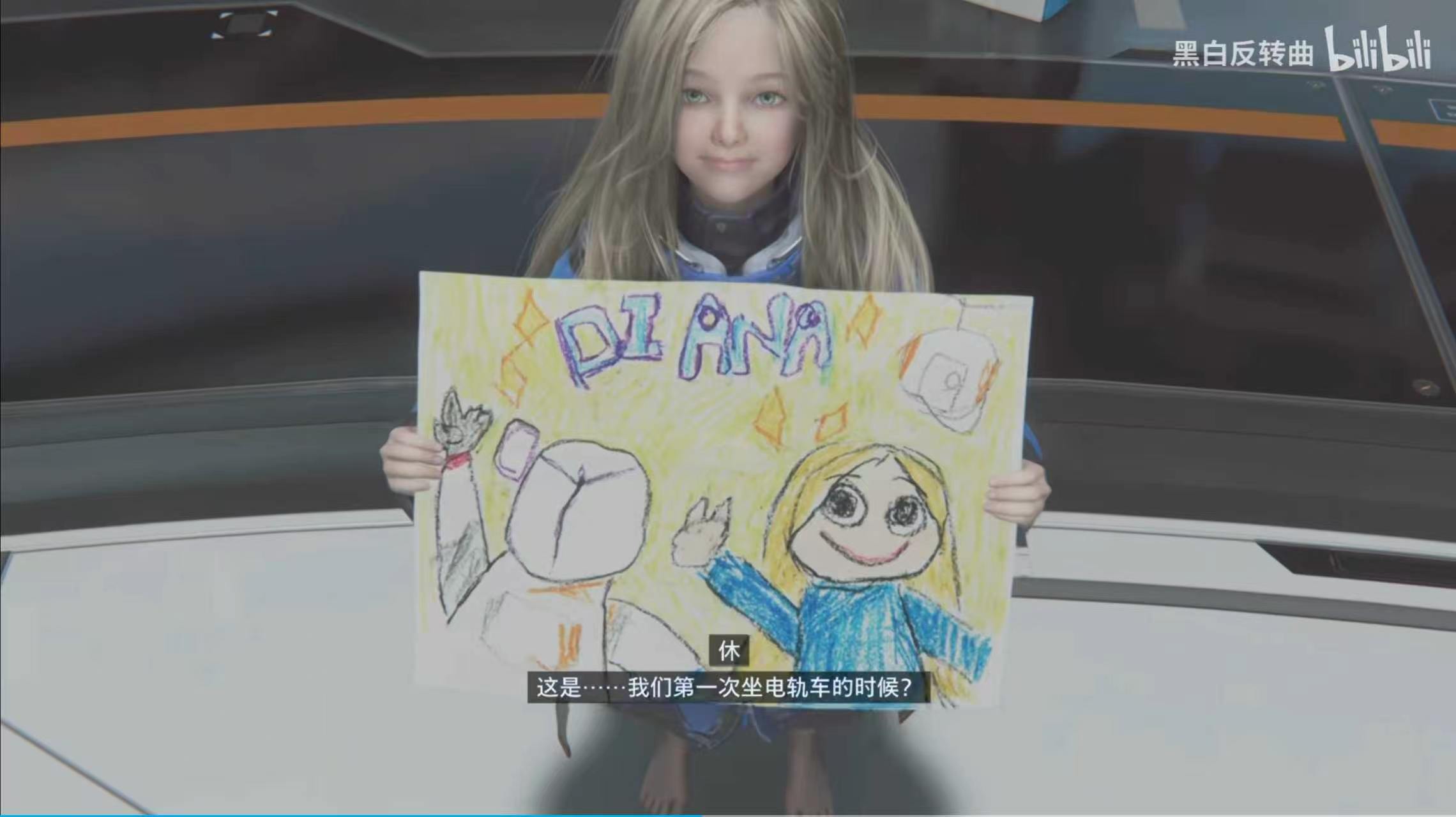
Combat gets stale fast, but luckily this game has the daughter-raising aspect. Another highlight is the daughter development system. You play as Diana’s guardian, and by collecting Memory Chips (collectibles that unlock interactions with your daughter), you can give her gifts and watch her adorable reactions. The dialogues between the two are also very heartwarming.
Capcom really knows how to make lolis!
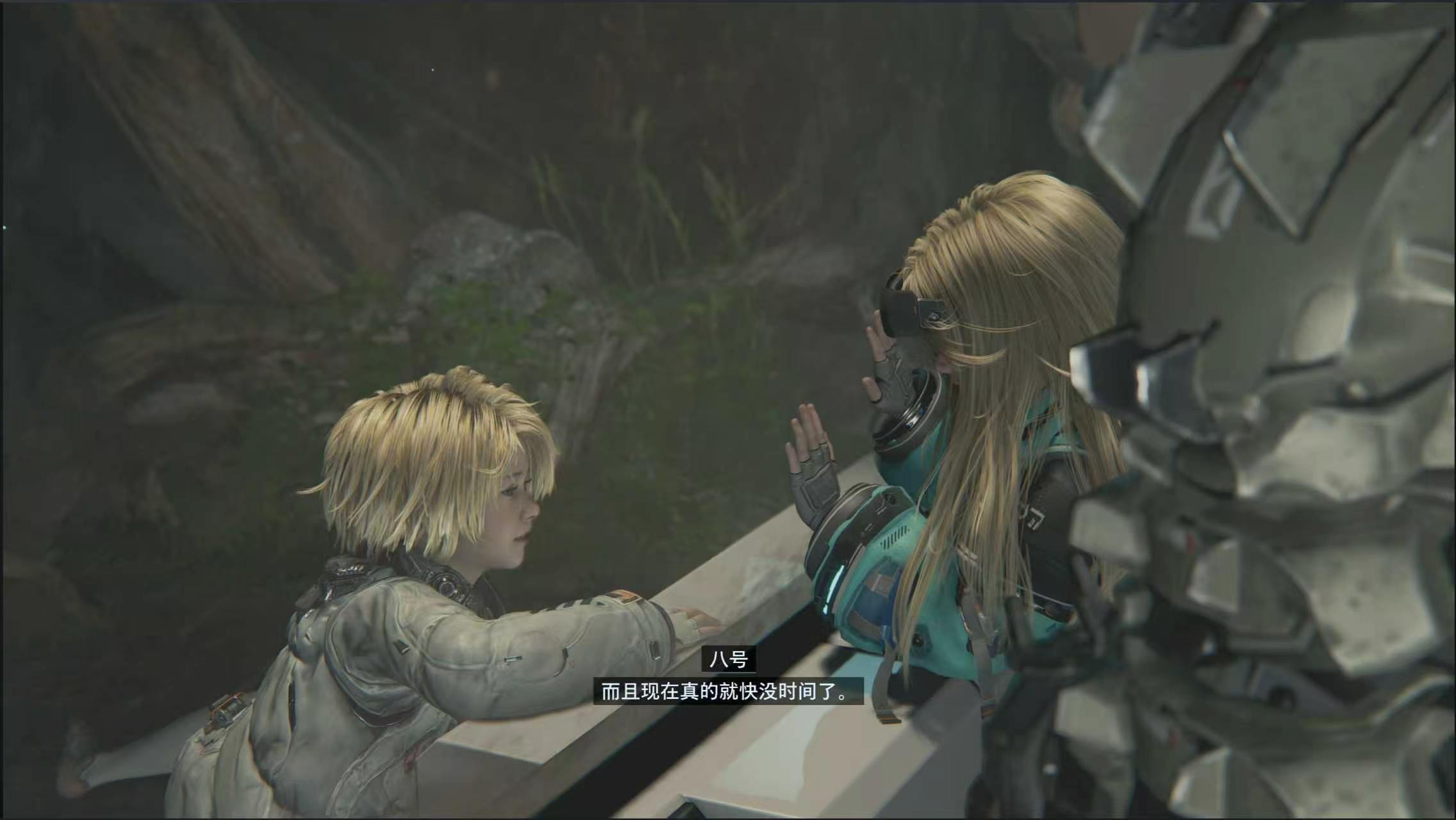
Also, the dev team must have played a lot of gacha games; Diana’s ultimate attack cinematography has a strong gacha-game vibe.
Cinematics
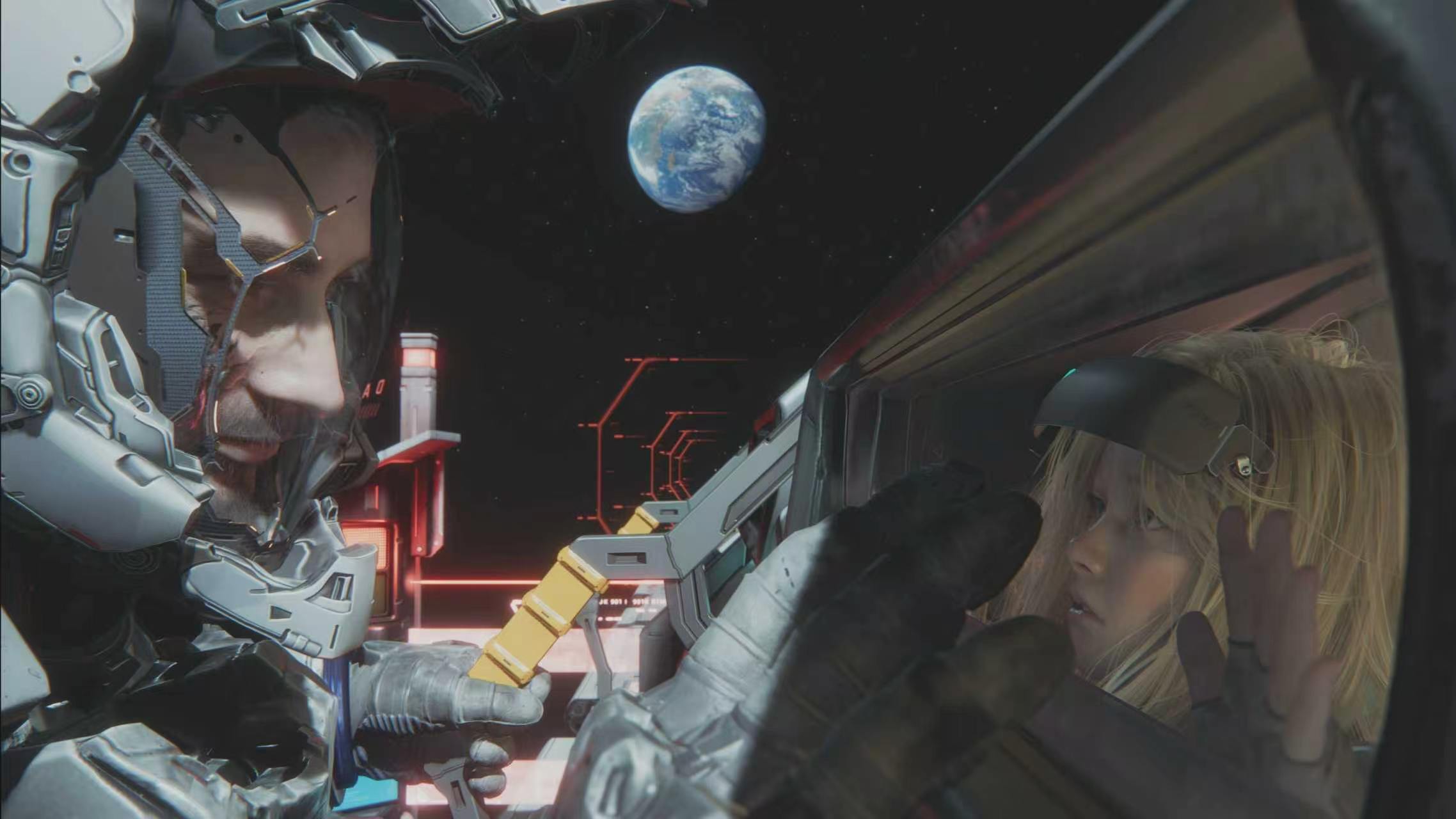
I was going to give it an 8, but the final cinematic was truly spectacular.
Although the pre-rendered CG actually doesn’t look as good as the real-time rendered scenes… and the frame rate seems to be only 30fps, the transitions are quite seamless, showing a lot of care.
The story may be a bit cliché, but Diana is just too adorable! It’s still quite touching.